Static Pressure And Ductwork Decisions Guide
Static Pressure And Ductwork Decisions guide for Los Angeles homes with diagnostic steps, code context, cost signals, and field notes from Aram Sarkisian.
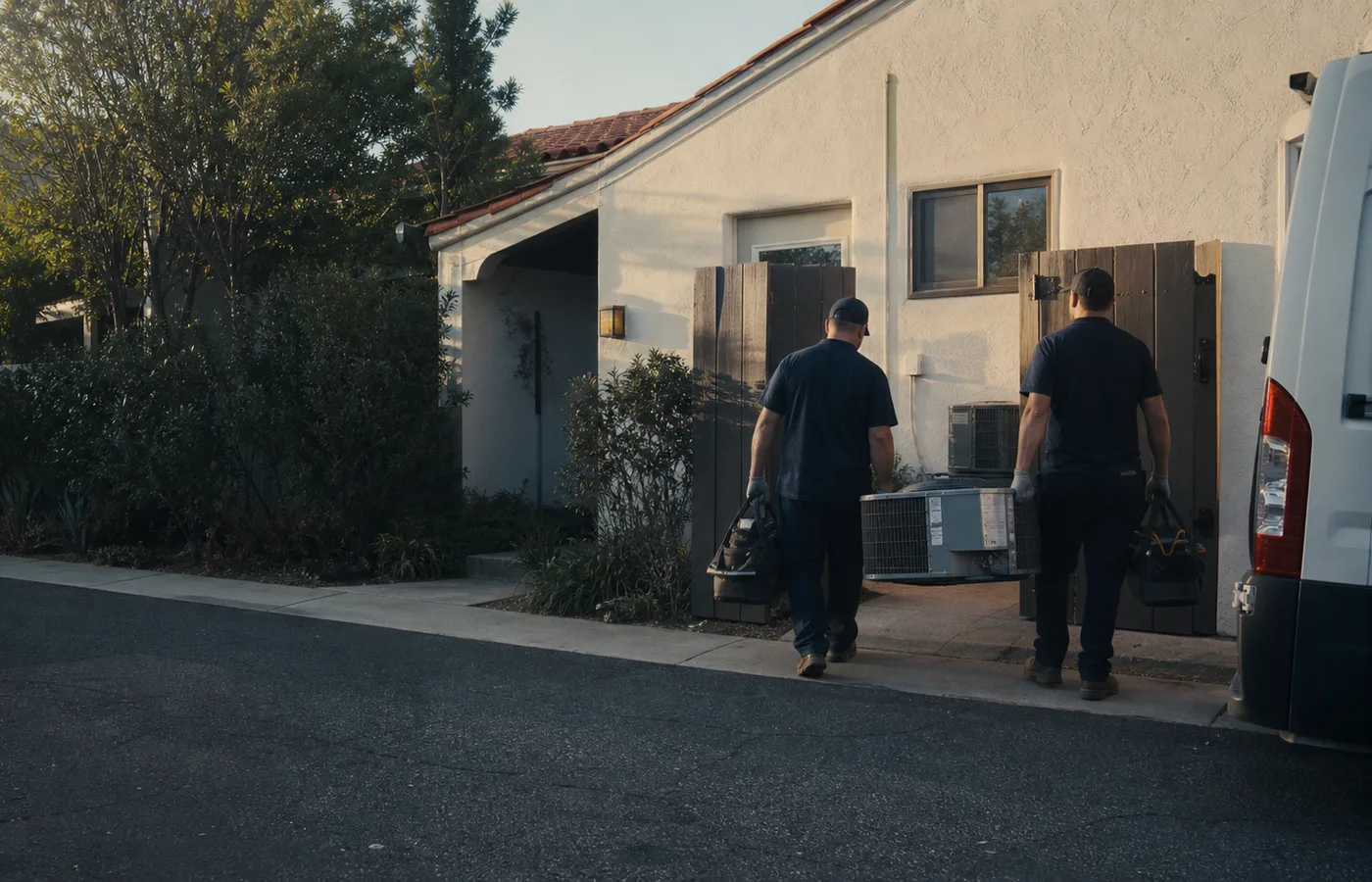
ADU Tie Ins And Clearances
Static Pressure And Ductwork Decisions needs its own decision path because HVAC measurement changes what we measure first. For this guide we start with static pressure, then compare it with return grille and duct liner. In a Los Angeles house, that sequence matters more than a generic checklist because hillside access, finished plaster, utility territory, and older additions can all move the work into a different permit or staging lane.
ADU Tie Ins And Clearances is where the owner should see numbers instead of adjectives. A useful note might be a static pressure reading, a ZIP-specific permit jurisdiction, a breaker size, a vent length, a pressure value, or the model family printed on the rating plate. For Eagle Rock and nearby Highland Park or Glassell Park, the local layer is sloped lots, retaining walls, rear-yard equipment pads, and tight side setbacks, so the guide treats access as a cost driver rather than an afterthought.
The field version of this section ends with a boundary statement: what we verified, what remains hidden, and which related scope should stay separate. That is why the guide links back to ductwork, cost guide hub, service area notes, equipment brand notes, and visible reviews instead of pretending one article can price every house.
Static Pressure And Ductwork Decisions section 1 narrows the evidence to return grille area, supply plenum reading, and blower tap setting. Those notes change the conversation because mastic seams can look minor until it is compared with the actual access, temperature, pressure, load, or clearance reading. The homeowner should be able to point to the evidence and understand why the next step is repair, replacement, paperwork, or more investigation.
Ductwork records should tie static pressure to the exact restriction, not just tell the owner that airflow is weak. On this page, that record is tied to adu tie ins and clearances, not a reusable checklist. We want the reader to know which measurement belongs in a photo, which model or part label belongs in the estimate, which local constraint belongs in dispatch notes, and which condition should remain marked as unverified until a technician opens the access point.
Static Pressure And Ductwork Decisions field card 1: log filter pressure drop, photograph mastic seam gap, compare attic insulation contact, and keep room airflow complaint out of the estimate until it has been checked. That is the practical evidence chain for this guide.
Static Pressure And Ductwork Decisions owner file 1 should carry duct liner collapse beside blower tap and mastic sealing. When those three items disagree, the scope pauses for more diagnosis; when they line up, the next step can be priced with fewer hidden assumptions.
Older Home Failure Patterns
Static Pressure And Ductwork Decisions needs its own decision path because HVAC measurement changes what we measure first. For this guide we start with return grille, then compare it with duct liner and mastic seams. In a Los Angeles house, that sequence matters more than a generic checklist because hillside access, finished plaster, utility territory, and older additions can all move the work into a different permit or staging lane.
Older Home Failure Patterns is where the owner should see numbers instead of adjectives. A useful note might be a return sizing reading, a ZIP-specific permit jurisdiction, a breaker size, a vent length, a pressure value, or the model family printed on the rating plate. For Eagle Rock and nearby Highland Park or Glassell Park, the local layer is sloped lots, retaining walls, rear-yard equipment pads, and tight side setbacks, so the guide treats access as a cost driver rather than an afterthought.
The field version of this section ends with a boundary statement: what we verified, what remains hidden, and which related scope should stay separate. That is why the guide links back to ductwork, cost guide hub, service area notes, equipment brand notes, and visible reviews instead of pretending one article can price every house.
Static Pressure And Ductwork Decisions section 2 narrows the evidence to filter pressure drop, duct liner collapse, and attic insulation contact. Those notes change the conversation because blower tap can look minor until it is compared with the actual access, temperature, pressure, load, or clearance reading. The homeowner should be able to point to the evidence and understand why the next step is repair, replacement, paperwork, or more investigation.
Ductwork records should tie static pressure to the exact restriction, not just tell the owner that airflow is weak. On this page, that record is tied to older home failure patterns, not a reusable checklist. We want the reader to know which measurement belongs in a photo, which model or part label belongs in the estimate, which local constraint belongs in dispatch notes, and which condition should remain marked as unverified until a technician opens the access point.
Static Pressure And Ductwork Decisions field card 2: log supply plenum reading, photograph blower tap setting, compare room airflow complaint, and keep return grille area out of the estimate until it has been checked. That is the practical evidence chain for this guide.
Static Pressure And Ductwork Decisions owner file 2 should carry mastic seam gap beside static pressure and attic clearance. When those three items disagree, the scope pauses for more diagnosis; when they line up, the next step can be priced with fewer hidden assumptions.
Roofline And Crawlspace Reality
Static Pressure And Ductwork Decisions needs its own decision path because HVAC measurement changes what we measure first. For this guide we start with duct liner, then compare it with mastic seams and blower tap. In a Los Angeles house, that sequence matters more than a generic checklist because hillside access, finished plaster, utility territory, and older additions can all move the work into a different permit or staging lane.
Roofline And Crawlspace Reality is where the owner should see numbers instead of adjectives. A useful note might be a mastic sealing reading, a ZIP-specific permit jurisdiction, a breaker size, a vent length, a pressure value, or the model family printed on the rating plate. For Eagle Rock and nearby Highland Park or Glassell Park, the local layer is sloped lots, retaining walls, rear-yard equipment pads, and tight side setbacks, so the guide treats access as a cost driver rather than an afterthought.
The field version of this section ends with a boundary statement: what we verified, what remains hidden, and which related scope should stay separate. That is why the guide links back to ductwork, cost guide hub, service area notes, equipment brand notes, and visible reviews instead of pretending one article can price every house.
Static Pressure And Ductwork Decisions section 3 narrows the evidence to supply plenum reading, mastic seam gap, and room airflow complaint. Those notes change the conversation because static pressure can look minor until it is compared with the actual access, temperature, pressure, load, or clearance reading. The homeowner should be able to point to the evidence and understand why the next step is repair, replacement, paperwork, or more investigation.
Ductwork records should tie static pressure to the exact restriction, not just tell the owner that airflow is weak. On this page, that record is tied to roofline and crawlspace reality, not a reusable checklist. We want the reader to know which measurement belongs in a photo, which model or part label belongs in the estimate, which local constraint belongs in dispatch notes, and which condition should remain marked as unverified until a technician opens the access point.
Static Pressure And Ductwork Decisions field card 3: log duct liner collapse, photograph attic insulation contact, compare return grille area, and keep filter pressure drop out of the estimate until it has been checked. That is the practical evidence chain for this guide.
Static Pressure And Ductwork Decisions owner file 3 should carry blower tap setting beside return grille and insulation value. When those three items disagree, the scope pauses for more diagnosis; when they line up, the next step can be priced with fewer hidden assumptions.
Questions Before A Truck Rolls
Static Pressure And Ductwork Decisions needs its own decision path because HVAC measurement changes what we measure first. For this guide we start with mastic seams, then compare it with blower tap and static pressure. In a Los Angeles house, that sequence matters more than a generic checklist because hillside access, finished plaster, utility territory, and older additions can all move the work into a different permit or staging lane.
Questions Before A Truck Rolls is where the owner should see numbers instead of adjectives. A useful note might be a attic clearance reading, a ZIP-specific permit jurisdiction, a breaker size, a vent length, a pressure value, or the model family printed on the rating plate. For Eagle Rock and nearby Highland Park or Glassell Park, the local layer is sloped lots, retaining walls, rear-yard equipment pads, and tight side setbacks, so the guide treats access as a cost driver rather than an afterthought.
The field version of this section ends with a boundary statement: what we verified, what remains hidden, and which related scope should stay separate. That is why the guide links back to ductwork, cost guide hub, service area notes, equipment brand notes, and visible reviews instead of pretending one article can price every house.
Static Pressure And Ductwork Decisions section 4 narrows the evidence to duct liner collapse, blower tap setting, and return grille area. Those notes change the conversation because return grille can look minor until it is compared with the actual access, temperature, pressure, load, or clearance reading. The homeowner should be able to point to the evidence and understand why the next step is repair, replacement, paperwork, or more investigation.
Ductwork records should tie static pressure to the exact restriction, not just tell the owner that airflow is weak. On this page, that record is tied to questions before a truck rolls, not a reusable checklist. We want the reader to know which measurement belongs in a photo, which model or part label belongs in the estimate, which local constraint belongs in dispatch notes, and which condition should remain marked as unverified until a technician opens the access point.
Static Pressure And Ductwork Decisions field card 4: log mastic seam gap, photograph room airflow complaint, compare filter pressure drop, and keep supply plenum reading out of the estimate until it has been checked. That is the practical evidence chain for this guide.
Static Pressure And Ductwork Decisions owner file 4 should carry attic insulation contact beside duct liner and static pressure. When those three items disagree, the scope pauses for more diagnosis; when they line up, the next step can be priced with fewer hidden assumptions.
What Inspectors Usually Ask
Static Pressure And Ductwork Decisions needs its own decision path because HVAC measurement changes what we measure first. For this guide we start with blower tap, then compare it with static pressure and return grille. In a Los Angeles house, that sequence matters more than a generic checklist because hillside access, finished plaster, utility territory, and older additions can all move the work into a different permit or staging lane.
What Inspectors Usually Ask is where the owner should see numbers instead of adjectives. A useful note might be a insulation value reading, a ZIP-specific permit jurisdiction, a breaker size, a vent length, a pressure value, or the model family printed on the rating plate. For Eagle Rock and nearby Highland Park or Glassell Park, the local layer is sloped lots, retaining walls, rear-yard equipment pads, and tight side setbacks, so the guide treats access as a cost driver rather than an afterthought.
The field version of this section ends with a boundary statement: what we verified, what remains hidden, and which related scope should stay separate. That is why the guide links back to ductwork, cost guide hub, service area notes, equipment brand notes, and visible reviews instead of pretending one article can price every house.
Static Pressure And Ductwork Decisions section 5 narrows the evidence to mastic seam gap, attic insulation contact, and filter pressure drop. Those notes change the conversation because duct liner can look minor until it is compared with the actual access, temperature, pressure, load, or clearance reading. The homeowner should be able to point to the evidence and understand why the next step is repair, replacement, paperwork, or more investigation.
Ductwork records should tie static pressure to the exact restriction, not just tell the owner that airflow is weak. On this page, that record is tied to what inspectors usually ask, not a reusable checklist. We want the reader to know which measurement belongs in a photo, which model or part label belongs in the estimate, which local constraint belongs in dispatch notes, and which condition should remain marked as unverified until a technician opens the access point.
Static Pressure And Ductwork Decisions field card 5: log blower tap setting, photograph return grille area, compare supply plenum reading, and keep duct liner collapse out of the estimate until it has been checked. That is the practical evidence chain for this guide.
Static Pressure And Ductwork Decisions owner file 5 should carry room airflow complaint beside mastic seams and return sizing. When those three items disagree, the scope pauses for more diagnosis; when they line up, the next step can be priced with fewer hidden assumptions.
Code Items We Put In Writing
Static Pressure And Ductwork Decisions needs its own decision path because HVAC measurement changes what we measure first. For this guide we start with static pressure, then compare it with return grille and duct liner. In a Los Angeles house, that sequence matters more than a generic checklist because hillside access, finished plaster, utility territory, and older additions can all move the work into a different permit or staging lane.
Code Items We Put In Writing is where the owner should see numbers instead of adjectives. A useful note might be a static pressure reading, a ZIP-specific permit jurisdiction, a breaker size, a vent length, a pressure value, or the model family printed on the rating plate. For Eagle Rock and nearby Highland Park or Glassell Park, the local layer is sloped lots, retaining walls, rear-yard equipment pads, and tight side setbacks, so the guide treats access as a cost driver rather than an afterthought.
The field version of this section ends with a boundary statement: what we verified, what remains hidden, and which related scope should stay separate. That is why the guide links back to ductwork, cost guide hub, service area notes, equipment brand notes, and visible reviews instead of pretending one article can price every house.
Static Pressure And Ductwork Decisions section 6 narrows the evidence to blower tap setting, room airflow complaint, and supply plenum reading. Those notes change the conversation because mastic seams can look minor until it is compared with the actual access, temperature, pressure, load, or clearance reading. The homeowner should be able to point to the evidence and understand why the next step is repair, replacement, paperwork, or more investigation.
Ductwork records should tie static pressure to the exact restriction, not just tell the owner that airflow is weak. On this page, that record is tied to code items we put in writing, not a reusable checklist. We want the reader to know which measurement belongs in a photo, which model or part label belongs in the estimate, which local constraint belongs in dispatch notes, and which condition should remain marked as unverified until a technician opens the access point.
Static Pressure And Ductwork Decisions field card 6: log attic insulation contact, photograph filter pressure drop, compare duct liner collapse, and keep mastic seam gap out of the estimate until it has been checked. That is the practical evidence chain for this guide.
Static Pressure And Ductwork Decisions owner file 6 should carry return grille area beside blower tap and mastic sealing. When those three items disagree, the scope pauses for more diagnosis; when they line up, the next step can be priced with fewer hidden assumptions.
HOA Notes And Shared Walls
Static Pressure And Ductwork Decisions needs its own decision path because HVAC measurement changes what we measure first. For this guide we start with return grille, then compare it with duct liner and mastic seams. In a Los Angeles house, that sequence matters more than a generic checklist because hillside access, finished plaster, utility territory, and older additions can all move the work into a different permit or staging lane.
HOA Notes And Shared Walls is where the owner should see numbers instead of adjectives. A useful note might be a return sizing reading, a ZIP-specific permit jurisdiction, a breaker size, a vent length, a pressure value, or the model family printed on the rating plate. For Eagle Rock and nearby Highland Park or Glassell Park, the local layer is sloped lots, retaining walls, rear-yard equipment pads, and tight side setbacks, so the guide treats access as a cost driver rather than an afterthought.
The field version of this section ends with a boundary statement: what we verified, what remains hidden, and which related scope should stay separate. That is why the guide links back to ductwork, cost guide hub, service area notes, equipment brand notes, and visible reviews instead of pretending one article can price every house.
Static Pressure And Ductwork Decisions section 7 narrows the evidence to attic insulation contact, return grille area, and duct liner collapse. Those notes change the conversation because blower tap can look minor until it is compared with the actual access, temperature, pressure, load, or clearance reading. The homeowner should be able to point to the evidence and understand why the next step is repair, replacement, paperwork, or more investigation.
Ductwork records should tie static pressure to the exact restriction, not just tell the owner that airflow is weak. On this page, that record is tied to hoa notes and shared walls, not a reusable checklist. We want the reader to know which measurement belongs in a photo, which model or part label belongs in the estimate, which local constraint belongs in dispatch notes, and which condition should remain marked as unverified until a technician opens the access point.
Static Pressure And Ductwork Decisions field card 7: log room airflow complaint, photograph supply plenum reading, compare mastic seam gap, and keep blower tap setting out of the estimate until it has been checked. That is the practical evidence chain for this guide.
Static Pressure And Ductwork Decisions owner file 7 should carry filter pressure drop beside static pressure and attic clearance. When those three items disagree, the scope pauses for more diagnosis; when they line up, the next step can be priced with fewer hidden assumptions.
Red Flags In Fast Quotes
Static Pressure And Ductwork Decisions needs its own decision path because HVAC measurement changes what we measure first. For this guide we start with duct liner, then compare it with mastic seams and blower tap. In a Los Angeles house, that sequence matters more than a generic checklist because hillside access, finished plaster, utility territory, and older additions can all move the work into a different permit or staging lane.
Red Flags In Fast Quotes is where the owner should see numbers instead of adjectives. A useful note might be a mastic sealing reading, a ZIP-specific permit jurisdiction, a breaker size, a vent length, a pressure value, or the model family printed on the rating plate. For Eagle Rock and nearby Highland Park or Glassell Park, the local layer is sloped lots, retaining walls, rear-yard equipment pads, and tight side setbacks, so the guide treats access as a cost driver rather than an afterthought.
The field version of this section ends with a boundary statement: what we verified, what remains hidden, and which related scope should stay separate. That is why the guide links back to ductwork, cost guide hub, service area notes, equipment brand notes, and visible reviews instead of pretending one article can price every house.
Static Pressure And Ductwork Decisions section 8 narrows the evidence to room airflow complaint, filter pressure drop, and mastic seam gap. Those notes change the conversation because static pressure can look minor until it is compared with the actual access, temperature, pressure, load, or clearance reading. The homeowner should be able to point to the evidence and understand why the next step is repair, replacement, paperwork, or more investigation.
Ductwork records should tie static pressure to the exact restriction, not just tell the owner that airflow is weak. On this page, that record is tied to red flags in fast quotes, not a reusable checklist. We want the reader to know which measurement belongs in a photo, which model or part label belongs in the estimate, which local constraint belongs in dispatch notes, and which condition should remain marked as unverified until a technician opens the access point.
Static Pressure And Ductwork Decisions field card 8: log return grille area, photograph duct liner collapse, compare blower tap setting, and keep attic insulation contact out of the estimate until it has been checked. That is the practical evidence chain for this guide.
Static Pressure And Ductwork Decisions owner file 8 should carry supply plenum reading beside return grille and insulation value. When those three items disagree, the scope pauses for more diagnosis; when they line up, the next step can be priced with fewer hidden assumptions.
Combustion Air And Vent Routes
Static Pressure And Ductwork Decisions needs its own decision path because HVAC measurement changes what we measure first. For this guide we start with mastic seams, then compare it with blower tap and static pressure. In a Los Angeles house, that sequence matters more than a generic checklist because hillside access, finished plaster, utility territory, and older additions can all move the work into a different permit or staging lane.
Combustion Air And Vent Routes is where the owner should see numbers instead of adjectives. A useful note might be a attic clearance reading, a ZIP-specific permit jurisdiction, a breaker size, a vent length, a pressure value, or the model family printed on the rating plate. For Eagle Rock and nearby Highland Park or Glassell Park, the local layer is sloped lots, retaining walls, rear-yard equipment pads, and tight side setbacks, so the guide treats access as a cost driver rather than an afterthought.
The field version of this section ends with a boundary statement: what we verified, what remains hidden, and which related scope should stay separate. That is why the guide links back to ductwork, cost guide hub, service area notes, equipment brand notes, and visible reviews instead of pretending one article can price every house.
Static Pressure And Ductwork Decisions section 9 narrows the evidence to return grille area, supply plenum reading, and blower tap setting. Those notes change the conversation because return grille can look minor until it is compared with the actual access, temperature, pressure, load, or clearance reading. The homeowner should be able to point to the evidence and understand why the next step is repair, replacement, paperwork, or more investigation.
Ductwork records should tie static pressure to the exact restriction, not just tell the owner that airflow is weak. On this page, that record is tied to combustion air and vent routes, not a reusable checklist. We want the reader to know which measurement belongs in a photo, which model or part label belongs in the estimate, which local constraint belongs in dispatch notes, and which condition should remain marked as unverified until a technician opens the access point.
Static Pressure And Ductwork Decisions field card 9: log filter pressure drop, photograph mastic seam gap, compare attic insulation contact, and keep room airflow complaint out of the estimate until it has been checked. That is the practical evidence chain for this guide.
Static Pressure And Ductwork Decisions owner file 9 should carry duct liner collapse beside duct liner and static pressure. When those three items disagree, the scope pauses for more diagnosis; when they line up, the next step can be priced with fewer hidden assumptions.
Call now if you need ductwork priced from measurements instead of rough assumptions.
Request dispatch details Book todayWhen Repair Should Stay Repair
Static Pressure And Ductwork Decisions needs its own decision path because HVAC measurement changes what we measure first. For this guide we start with blower tap, then compare it with static pressure and return grille. In a Los Angeles house, that sequence matters more than a generic checklist because hillside access, finished plaster, utility territory, and older additions can all move the work into a different permit or staging lane.
When Repair Should Stay Repair is where the owner should see numbers instead of adjectives. A useful note might be a insulation value reading, a ZIP-specific permit jurisdiction, a breaker size, a vent length, a pressure value, or the model family printed on the rating plate. For Eagle Rock and nearby Highland Park or Glassell Park, the local layer is sloped lots, retaining walls, rear-yard equipment pads, and tight side setbacks, so the guide treats access as a cost driver rather than an afterthought.
The field version of this section ends with a boundary statement: what we verified, what remains hidden, and which related scope should stay separate. That is why the guide links back to ductwork, cost guide hub, service area notes, equipment brand notes, and visible reviews instead of pretending one article can price every house.
Static Pressure And Ductwork Decisions section 10 narrows the evidence to filter pressure drop, duct liner collapse, and attic insulation contact. Those notes change the conversation because duct liner can look minor until it is compared with the actual access, temperature, pressure, load, or clearance reading. The homeowner should be able to point to the evidence and understand why the next step is repair, replacement, paperwork, or more investigation.
Ductwork records should tie static pressure to the exact restriction, not just tell the owner that airflow is weak. On this page, that record is tied to when repair should stay repair, not a reusable checklist. We want the reader to know which measurement belongs in a photo, which model or part label belongs in the estimate, which local constraint belongs in dispatch notes, and which condition should remain marked as unverified until a technician opens the access point.
Static Pressure And Ductwork Decisions field card 10: log supply plenum reading, photograph blower tap setting, compare room airflow complaint, and keep return grille area out of the estimate until it has been checked. That is the practical evidence chain for this guide.
Static Pressure And Ductwork Decisions owner file 10 should carry mastic seam gap beside mastic seams and return sizing. When those three items disagree, the scope pauses for more diagnosis; when they line up, the next step can be priced with fewer hidden assumptions.
Parts Timing And Model Numbers
Static Pressure And Ductwork Decisions needs its own decision path because HVAC measurement changes what we measure first. For this guide we start with static pressure, then compare it with return grille and duct liner. In a Los Angeles house, that sequence matters more than a generic checklist because hillside access, finished plaster, utility territory, and older additions can all move the work into a different permit or staging lane.
Parts Timing And Model Numbers is where the owner should see numbers instead of adjectives. A useful note might be a static pressure reading, a ZIP-specific permit jurisdiction, a breaker size, a vent length, a pressure value, or the model family printed on the rating plate. For Eagle Rock and nearby Highland Park or Glassell Park, the local layer is sloped lots, retaining walls, rear-yard equipment pads, and tight side setbacks, so the guide treats access as a cost driver rather than an afterthought.
The field version of this section ends with a boundary statement: what we verified, what remains hidden, and which related scope should stay separate. That is why the guide links back to ductwork, cost guide hub, service area notes, equipment brand notes, and visible reviews instead of pretending one article can price every house.
Static Pressure And Ductwork Decisions section 11 narrows the evidence to supply plenum reading, mastic seam gap, and room airflow complaint. Those notes change the conversation because mastic seams can look minor until it is compared with the actual access, temperature, pressure, load, or clearance reading. The homeowner should be able to point to the evidence and understand why the next step is repair, replacement, paperwork, or more investigation.
Ductwork records should tie static pressure to the exact restriction, not just tell the owner that airflow is weak. On this page, that record is tied to parts timing and model numbers, not a reusable checklist. We want the reader to know which measurement belongs in a photo, which model or part label belongs in the estimate, which local constraint belongs in dispatch notes, and which condition should remain marked as unverified until a technician opens the access point.
Static Pressure And Ductwork Decisions field card 11: log duct liner collapse, photograph attic insulation contact, compare return grille area, and keep filter pressure drop out of the estimate until it has been checked. That is the practical evidence chain for this guide.
Static Pressure And Ductwork Decisions owner file 11 should carry blower tap setting beside blower tap and mastic sealing. When those three items disagree, the scope pauses for more diagnosis; when they line up, the next step can be priced with fewer hidden assumptions.
I sign off on a HVAC measurement guide only when the owner can point to a reading, a model number, or a permit trigger during the visit. If the article never names the measurement, it is not ready.
Aram Sarkisian
Surface Protection During Work
Static Pressure And Ductwork Decisions needs its own decision path because HVAC measurement changes what we measure first. For this guide we start with return grille, then compare it with duct liner and mastic seams. In a Los Angeles house, that sequence matters more than a generic checklist because hillside access, finished plaster, utility territory, and older additions can all move the work into a different permit or staging lane.
Surface Protection During Work is where the owner should see numbers instead of adjectives. A useful note might be a return sizing reading, a ZIP-specific permit jurisdiction, a breaker size, a vent length, a pressure value, or the model family printed on the rating plate. For Eagle Rock and nearby Highland Park or Glassell Park, the local layer is sloped lots, retaining walls, rear-yard equipment pads, and tight side setbacks, so the guide treats access as a cost driver rather than an afterthought.
The field version of this section ends with a boundary statement: what we verified, what remains hidden, and which related scope should stay separate. That is why the guide links back to ductwork, cost guide hub, service area notes, equipment brand notes, and visible reviews instead of pretending one article can price every house.
Static Pressure And Ductwork Decisions section 12 narrows the evidence to duct liner collapse, blower tap setting, and return grille area. Those notes change the conversation because blower tap can look minor until it is compared with the actual access, temperature, pressure, load, or clearance reading. The homeowner should be able to point to the evidence and understand why the next step is repair, replacement, paperwork, or more investigation.
Ductwork records should tie static pressure to the exact restriction, not just tell the owner that airflow is weak. On this page, that record is tied to surface protection during work, not a reusable checklist. We want the reader to know which measurement belongs in a photo, which model or part label belongs in the estimate, which local constraint belongs in dispatch notes, and which condition should remain marked as unverified until a technician opens the access point.
Static Pressure And Ductwork Decisions field card 12: log mastic seam gap, photograph room airflow complaint, compare filter pressure drop, and keep supply plenum reading out of the estimate until it has been checked. That is the practical evidence chain for this guide.
Static Pressure And Ductwork Decisions owner file 12 should carry attic insulation contact beside static pressure and attic clearance. When those three items disagree, the scope pauses for more diagnosis; when they line up, the next step can be priced with fewer hidden assumptions.
Guide Questions
What does this HVAC measurement guide cover?
Static Pressure And Ductwork Decisions walks through the field-decision sequence for ductwork in Los Angeles homes: which readings to log first, how local conditions change the call, and where a written scope draws the boundary between repair, replacement, and further investigation.
Who wrote this guide?
Aram Sarkisian, Master Technician at Verdugo Houseworks. Aram Sarkisian reviews Verdugo Houseworks scopes before larger HVAC, plumbing, and electrical jobs move from diagnosis into work orders. His notes focus on code triggers, access, utility coordination, and the measurements that keep a repair from becoming guesswork.
Does this guide replace a field visit?
No. It is a decision-aid for owners comparing estimates and a documentation aid for technicians. Concealed conditions — duct paths, slab routes, panel interiors, sewer line interiors — only resolve with on-site measurement.
How recently was this guide updated?
The footer of each guide includes a published and modified date. Diagnostic guides are reviewed when code, rebate, or product references change materially.
Signed by Aram Sarkisian, Master Technician at Verdugo Houseworks.